Restaurant Waiting Area Solutions
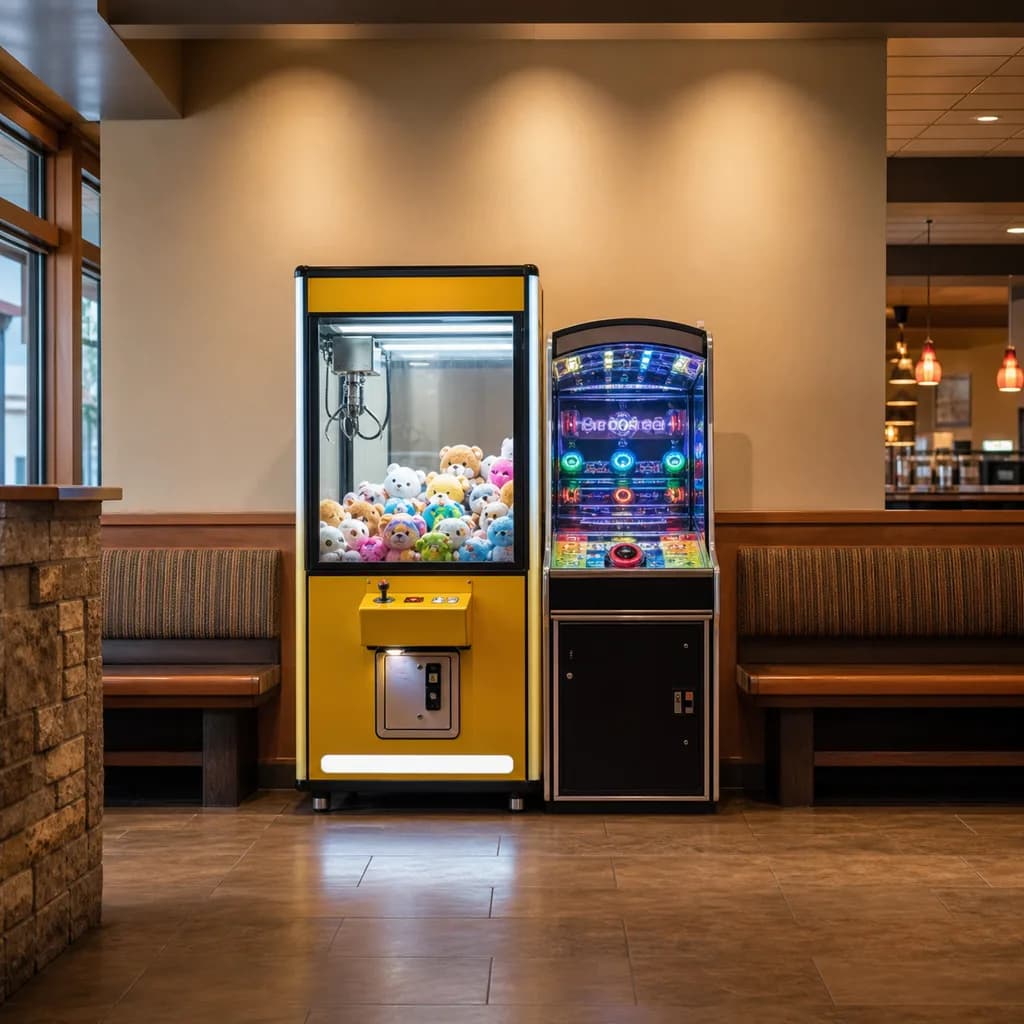
Why Restaurant Waiting Areas Work
A restaurant waiting area already has the two things amusement equipment needs: people and a few spare minutes. Guests are not ready to leave, but they are also not fully engaged with the meal yet. That makes the space useful for light self-service entertainment, especially for families, couples, and groups waiting for a table.
For this venue, we recommend equipment that feels like a small treat rather than a long game session. The goal is not to build an arcade corner that blocks the entrance. The goal is to turn waiting time into a paid impulse purchase, a photo moment, or a child-friendly distraction that keeps the queue calmer.
Best Machine Type For This Space
For a Restaurant Waiting Area, the strongest fit is an automatic cotton candy machine. It gives guests a visible making process, a finished product they can carry, and enough novelty to attract attention without asking the operator to manage a full prize inventory.
Jisun's Magic Cotton Candy Machine uses a 21.5 inch touch screen, so guests can follow the self-service steps clearly. Four 2kg sugar canisters allow multiple flavor and pattern choices, which works well in restaurants where repeat visits and family decisions matter. One serving takes about 120 seconds, so operators should place the machine where a short queue can form without blocking host staff or takeaway pickup.
We do not recommend oversized amusement layouts for a tight waiting zone. A single food-vending amusement unit is usually easier to explain, easier to place, and easier for restaurant staff to monitor during busy service.
Placement And Daily Operation
Put the machine where guests naturally pause: near the host stand, outside the main dining path, or beside a waiting bench. Keep enough open space in front of the touch screen so children and parents can stand together without spilling into the entry door.
- Power: Standard voltage is 220V, and 110V customization is available for markets that require it. Confirm the site power before ordering.
- Throughput: At about 120 seconds per serving, the machine suits impulse use during normal waits, not high-speed food counter service.
- Menu strategy: Use clear flavor and pattern choices. Too many options slow decisions in a busy restaurant entrance.
- Operations: Remote backup management by mobile app or web page helps operators check status without standing beside the machine all day.
- Audience: Multiple language support is useful for tourist restaurants, mall restaurants, airports, and mixed-language dining areas.
How We Support Restaurant Operators
We build for B2B buyers, so we look at the restaurant's traffic pattern, available power, branding requirement, and local market before confirming the configuration. For chain restaurants, OEM/ODM branding can help the machine look like part of the venue instead of a random add-on.
Voltage is handled at the order stage: 220V is standard, and 110V can be customized. Plug requirements, MOQ, and lead time should be confirmed with the final project specification because they depend on destination market, branding work, and order configuration. We prefer to lock those details before production rather than create surprises after shipment.
Recommended Equipment
Frequently Asked Questions
- Is a cotton candy machine practical for a small restaurant waiting area?
- Yes, if it is placed outside the main walking path. We recommend using it as a compact self-service attraction near the host area or waiting benches, not as a large arcade setup. Guests can order from the 21.5 inch touch screen, watch the product being made, and leave space for staff to keep the entrance moving.
- How fast can guests receive one serving?
- The machine produces one serving in about 120 seconds. That timing works well for guests waiting for a table, especially families with children. Operators should allow room for one or two people to stand in front of the machine, because the making process itself attracts attention and can create a short queue during peak dining hours.
- What power should we prepare before ordering?
- The standard voltage is 220V, with 110V customization available for markets that require it. Before production, we recommend confirming the restaurant's power supply, destination country, and plug requirement so the order can be configured correctly. This avoids installation delays after the machine arrives.
- Can the machine match our restaurant brand?
- For restaurant chains or themed venues, OEM/ODM branding can be discussed during quotation. Branding should be planned together with voltage, language, and order configuration so the finished machine fits the site and market. MOQ and lead time are confirmed based on the final specification rather than estimated loosely.
Planning equipment for this venue?
Tell us your venue size and target audience — we'll recommend a suitable equipment mix.
Get a Quote